
Building a new home is one of the biggest financial and emotional commitments most people will ever make. The process is long, complex and occasionally brutal. And yet, many projects stall or never get off the ground at all, not because of difficult sites, bad timing or council red tape, but because of the client.
This post isn't comfortable reading. But if you recognise yourself in any of the following, you're better off knowing now than finding out eighteen months into a project that's going nowhere.
1. Your budget isn't realistic, and you're not willing to hear it
A builder and designer with a strong track record of delivering homes like yours will have a very accurate sense of what your project actually costs. That number is informed by real materials, real trades, real supply chains, and the hard lessons of projects already built.
If your stated budget doesn't match your scope of works, the right professionals will tell you. If you're not prepared to adjust either the budget or the brief, you will struggle to attract a team worth working with. The best builders and designers aren't short of work and they simply won't take on projects set up to fail.
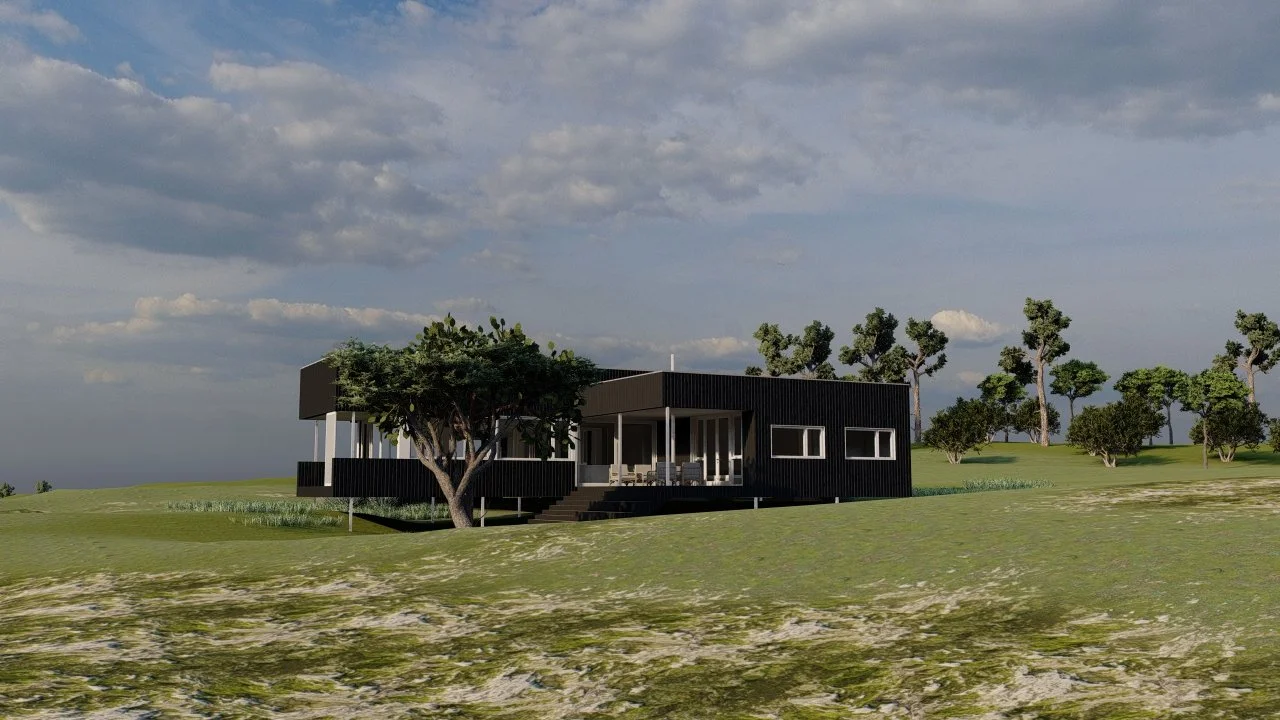
This project stalled when a grandiose brief met market reality.
2. "I'm not in a hurry"
This phrase is a red flag for anyone serious about delivering a great outcome.
It usually signals one of a few things: you're not yet at a stage where you're prepared to make real decisions, you're seeking detailed professional advice before you've done your own research, or you're not ready to commit any actual resources to the project. Experienced design and build teams rate their client leads carefully. Indefinite timelines, vague intentions and exploratory conversations without commitment are low on everyone's priority list. Time is a finite resource, and professionals will focus their energy on clients ready to move.
3. You think you know best
There's nothing wrong with having a point of view about your own home. But if you arrive with a fixed idea of your preferred design solution or construction methodology, and you're not open to challenge, you may be undermining the very expertise you're paying for.
Experienced designers and builders make the decisions they do for reasons grounded in time, cost, risk and quality. When clients impose a solution against professional advice, projects tend to cost more, take longer, or fail outright. Bring your aspirations. Be open to how they're achieved.
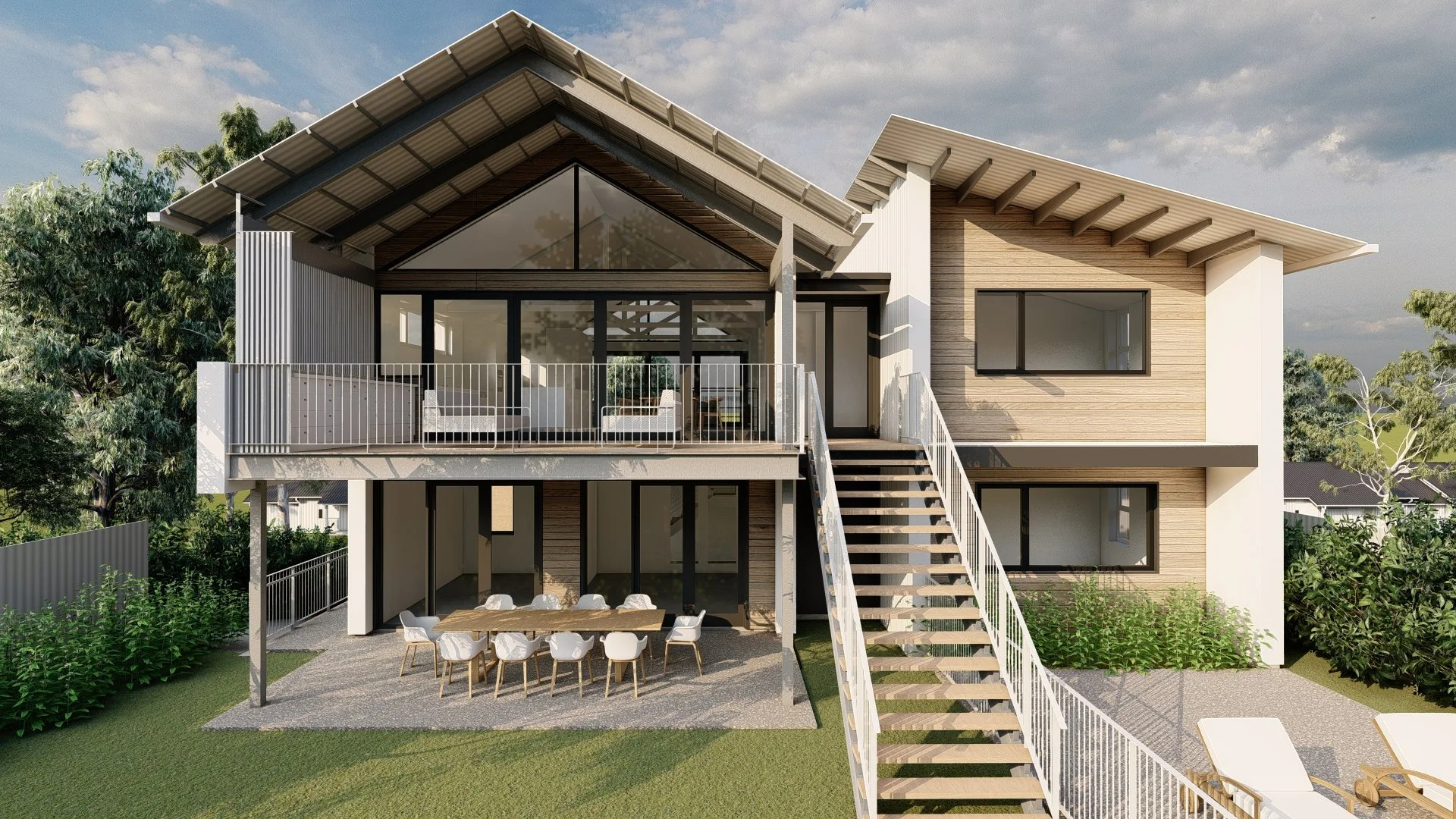
An uncompromising wishlist, unrealistic budget and un-resolved finances killed this dream house in East Fremantle after 3 years in design.
4. Non-negotiable inclusions, fixed budget
A good designer will always design off-ramps into your project, "nice to haves" that can be easily removed or deferred if the cost plan comes in over budget. This is good practice, and it's how well-run projects stay viable.
But if you treat every item on your wish list as unmovable, you remove the flexibility that keeps projects alive. Getting 90% of what you want and actually building it is a far better outcome than holding out for 100% and never starting. A rigid brief with a fixed ceiling is one of the most common reasons great projects quietly die.
5. You have a history of not finishing things
This is a harder one to say, but it matters: if you have a track record of incomplete projects, renovations started and abandoned, decisions deferred indefinitely, commitments made and walked back - it's worth asking yourself honestly whether this project will be any different.
Around one in ten of our clients back out when presented with a building contract, even after achieving a strong design outcome on their stated budget. Building a home requires sustained commitment across a period of years. Some people, despite genuine enthusiasm at the outset, find that the big commitment is a step they can't ultimately take.
6. Small challenges knock you off course
Any building project will throw up obstacles. Unexpected site conditions, council requirements, supply delays, cost variations. These are not exceptions, they're part of the process.
Clients who navigate this well tend to share one quality: they stay calm, work through issues with their team, and keep moving. Clients who find it difficult to recover when challenges arise; who stall, retreat, or lose confidence, often find that the project simply wears them down. The building process rewards resilience far more than it rewards optimism.
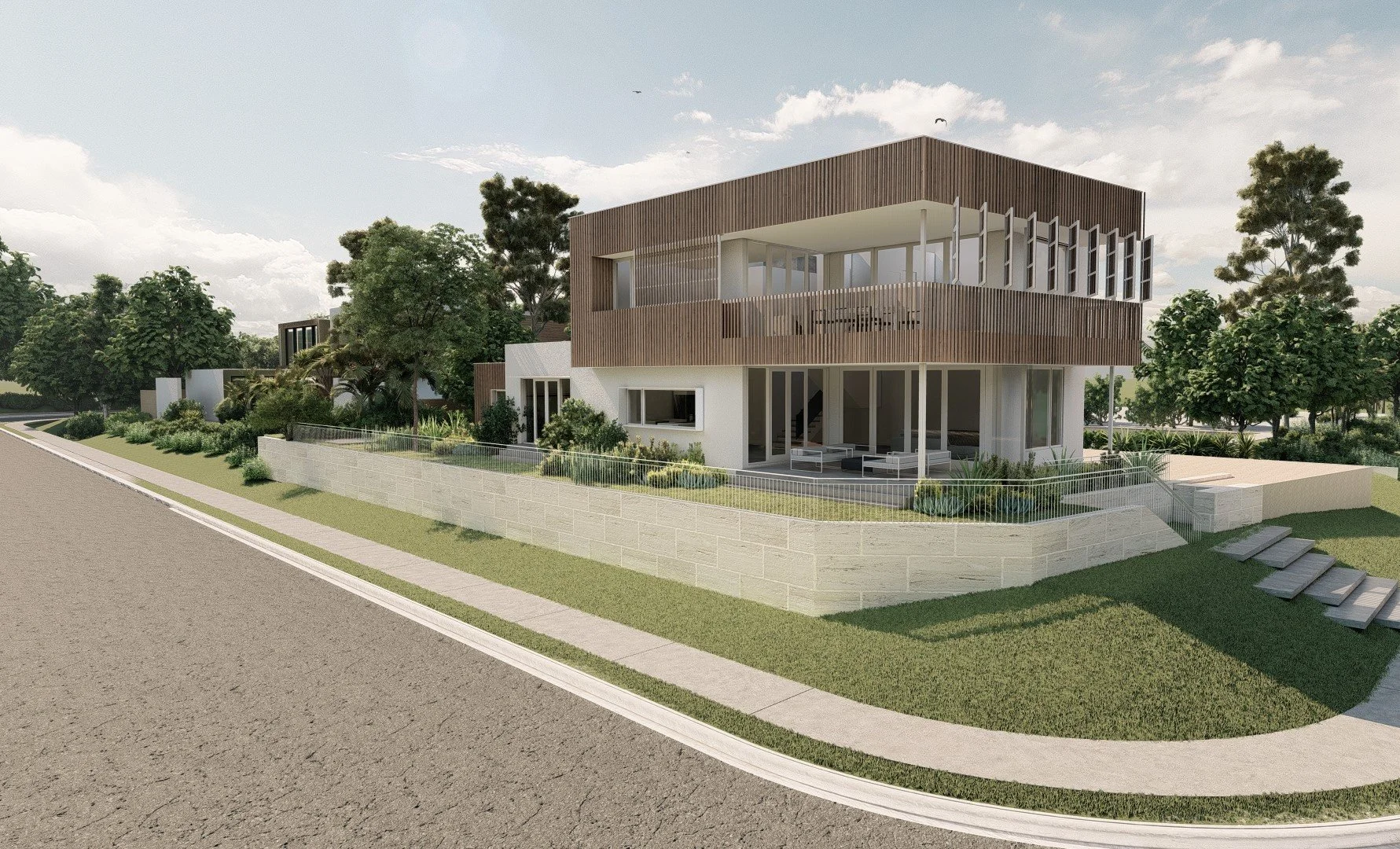
This beachside project died when the client realised they would be just as happy living in an apartment - the one they rented to live in nearby during the build.
7. You don't have the time to be a good client
Design and construction teams move through decisions at pace. Drawings, specifications, selections, approvals requires timely input from you. When feedback loops slow down, projects stall, pricing windows close, and teams move on to clients who are engaged.
Before you start, ask yourself honestly: do you have the bandwidth right now to respond quickly, attend meetings, make decisions under pressure and stay engaged across a multi-year process? If the answer is no, the project may be better deferred than started badly.
8. You're trying to build at the top of the market
The building industry runs in cycles. During periods of high demand when trades are fully booked, lead times are long and everyone is fighting for the same resources projects become harder to deliver well. Costs rise, attention is divided, and the best teams have the luxury of being selective.
Counter-cyclical thinking is worth considering. If you can time your project during a quieter period, you'll typically receive better pricing, more dedicated attention, higher quality and fewer delays. It's not always possible to pick the cycle, but if you have flexibility, use it.
9. You've done all the research, but you still won't commit
The high-performance residential sector is a small world. There are relatively few designers and builders operating at the level required to deliver a genuinely considered home. Finding the right team takes real effort, and many clients invest significant time doing exactly that.
But there is a pattern we sometimes encounter: a client undertakes thorough due diligence, identifies the right team, receives considered advice and accurate costings…. and then stalls. The gap between understanding and committing can stretch for months or years.
Experienced building professionals assess their leads honestly. They're looking at where a client sits on the journey, how realistic the brief and budget are, and critically, how likely they are to actually proceed. Clients who gather advice without committing signal risk, and experienced teams will quietly redirect their energy elsewhere.

This project died after 3 years of uncompromising design, multiple rounds changes and of re-costing, during which as the industry experienced massive cost escalation. An early commitment to the contract price presented in the 1st year would have delivered our clients their dream house will all inclusions for 30% less than the final cost presented.
10. You're shopping the project around after you've already chosen your team
The high-performance residential sector is small, and word travels.
If you've engaged a design and build team or even signalled a clear preference, and you then approach other builders or designers to test the market, it almost always gets back. And when it does, the dynamics shift. Your existing team's enthusiasm cools. Other builders, sensing the situation, are less motivated to compete seriously for a project that may not be genuinely available.
We've seen clients walk away from a building contract hoping to find a better price elsewhere, only to discover their original team has moved on to the next project and interest from new builders is harder to generate than expected. At that point, the project can stall indefinitely.
Real advice from a trusted team is worth more than the comfort of hearing something you prefer from someone who doesn't know the project as well. If you've done the work to find the right people, trust them.
A final word
None of this is meant to discourage you from building. A well-designed, high-performance home, delivered on budget and on time, is an extraordinary outcome, and it's entirely achievable with the right preparation and the right mindset.
But the projects that succeed tend to share common traits: a realistic brief, a committed client, a good team, and a willingness to work through the hard parts together.
If you're reading this and recognising a few uncomfortable truths, that's not a reason to stop. It's a reason to take stock before you start.
Leanhaus is a Perth-based design and build practice specialising in high-performance residential architecture. If you'd like to discuss your project, get in touch.