
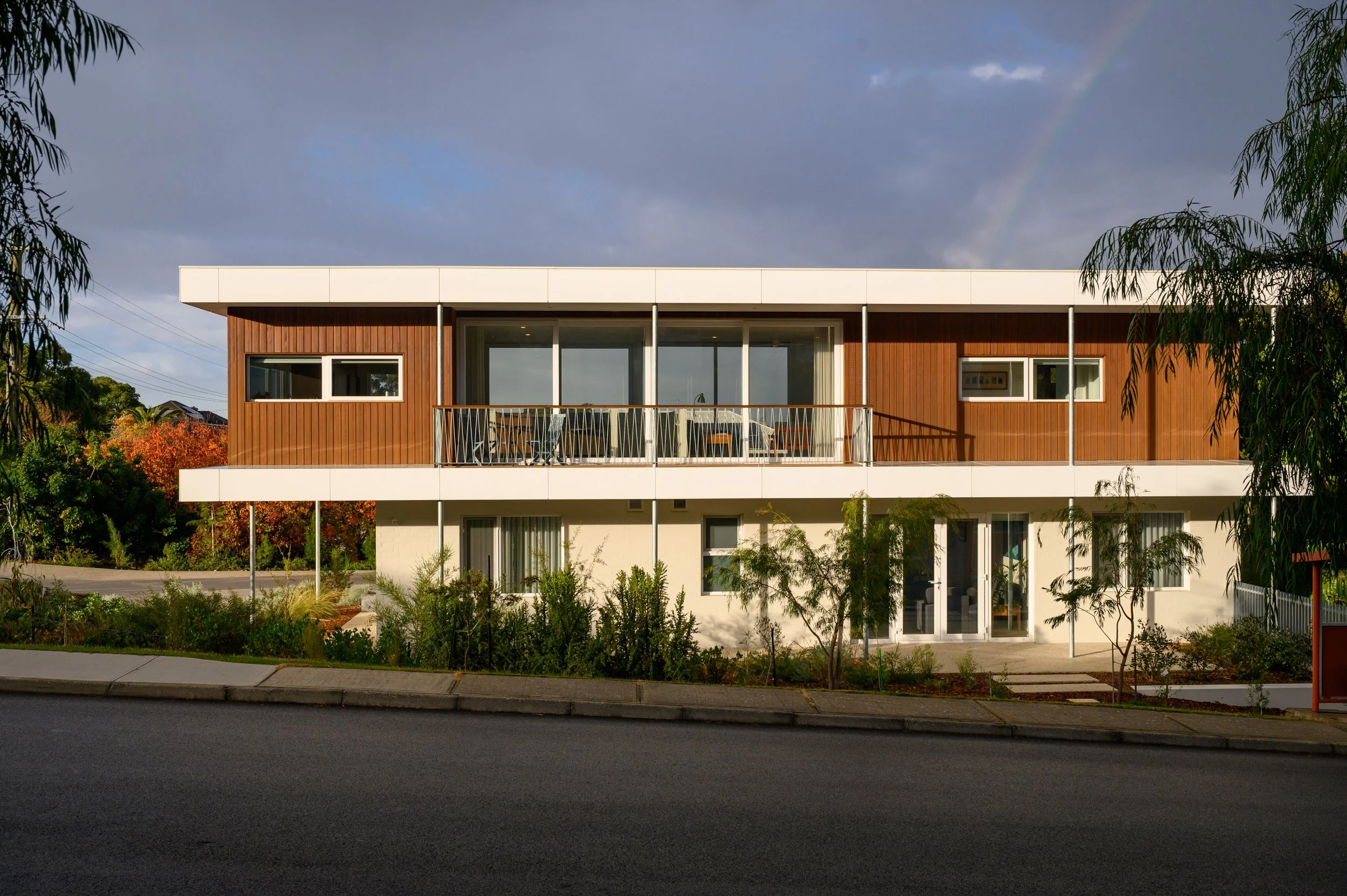
In response to the increasing concern around the climate crisis, the Passivhaus Trust in the UK has recently published research that sheds a light on the costs and benefits of building a Passive House. The findings reveal 50 types of benefits, both direct and indirect, that emphasise the importance of incorporating these principles into new home designs. From environmental benefits to improved health and wellbeing of occupants, let’s take a look at some of the ways Passivhaus designs can benefit homeowners.
Optimised building performance
A key advantage of Passive House homes is that they significantly reduce energy demand compared to standard homes, while still maintaining high levels of comfort for the occupant. With very high performance targets, it wouldn’t be unreasonable to believe such targets are rarely met in practice, but stringent quality assurance and compliance processes help to ensure their buildings consistently perform remarkably close to these targets. And Passive House designs aren’t short-sighted, either. With meticulous attention to detail, durable design, a robust airtight building fabric and resilient materials, these homes are future-proofed and less likely to experience long-term wear and tear like structural damage or unseen mould. All these factors contribute to high levels of occupant satisfaction in terms of comfort, temperature and design.
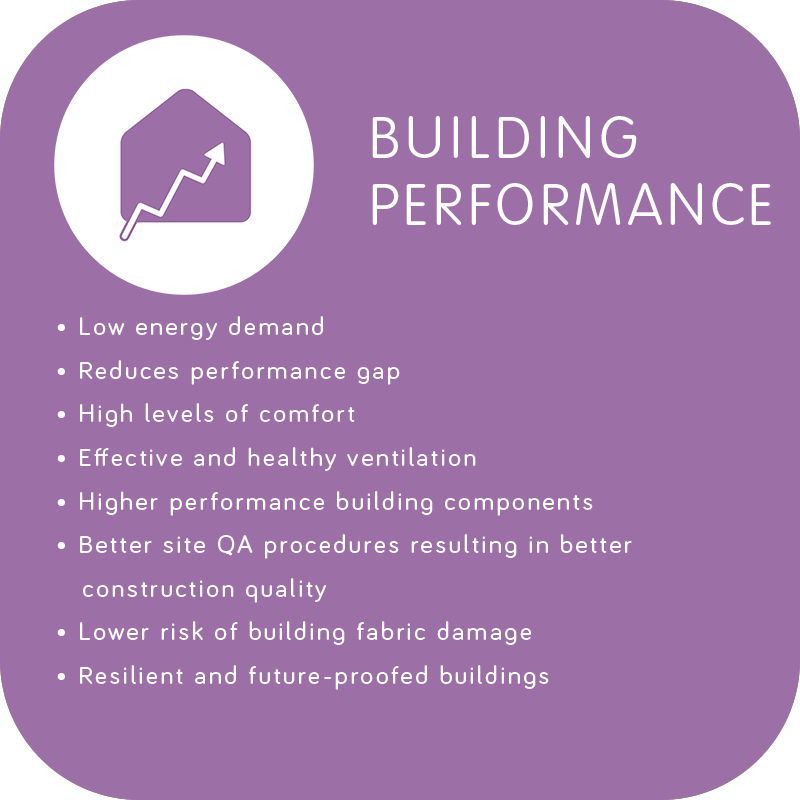
Image source: Passivhaus Trust
Addressing the climate emergency
In their research, the Passivhaus Trust found that a new Passive House built in 2022 would result in 86% fewer carbon emissions over its lifetime compared to an equivalent home built to meet England’s building regulations with a gas boiler. Even if renewable energy usage is increased, the money, resources and space needed to harvest and utilise it will always be somewhat limited. So, the most effective way to reduce pressure on renewable energy sources is to reduce energy consumption. With less energy required to run them, Passive House certified homes can allow these limited energy resources to be allocated elsewhere and, in doing so, help contribute to the country’s journey towards achieving net-zero.
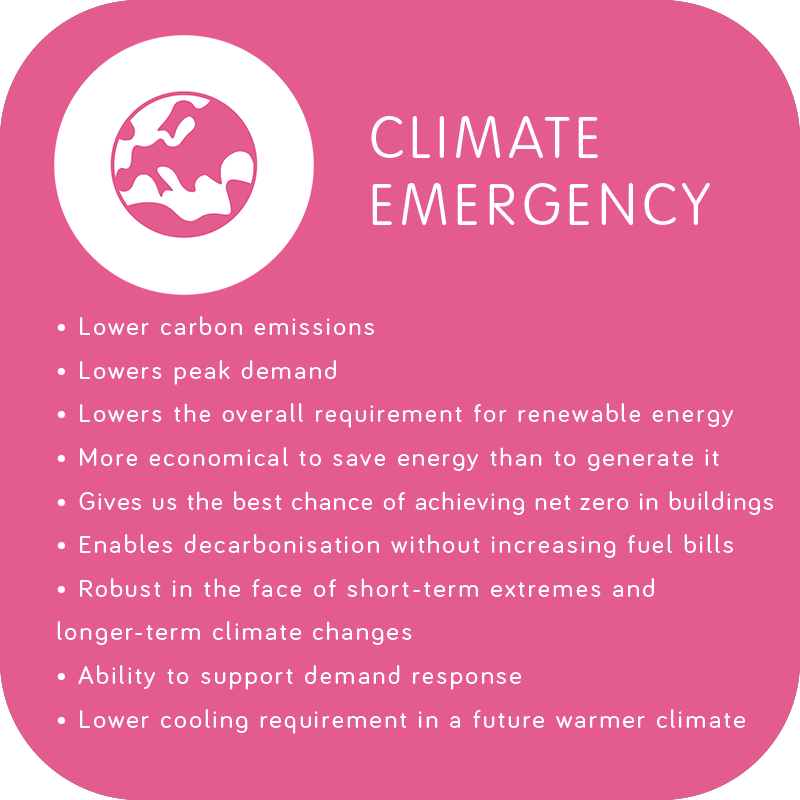
Image source: Passivhaus Trust
Health and wellbeing
At Leanhaus, one of our primary objectives is to design buildings that are not only better for the environment, but healthy for those that live in them. And the benefits of living in a Passive House a clear. Thanks to their high-quality building envelopes, Passive House homes have significantly lower heating demands in winter, and in summer, are required to spend no more than 10% of the year at temperatures of 25 degrees Celsius or above. This makes it easier and more affordable for residents to maintain a comfortable indoor environment and reduces the risk of health issues associated with hot and cold temperatures.
On top of this, Passive House homes improve indoor air quality through effective ventilation systems that outperform those found in most standard buildings. Given the prevalence of poor air quality in homes—caused by contaminants like volatile organic compounds—increased ventilation has been linked with fewer health issues. These ventilation systems also minimise the need for residents to open windows, which, in combination with more sound-proof construction, reduces noise disturbances that can impact mental and physical health, especially if it disrupts sleep.
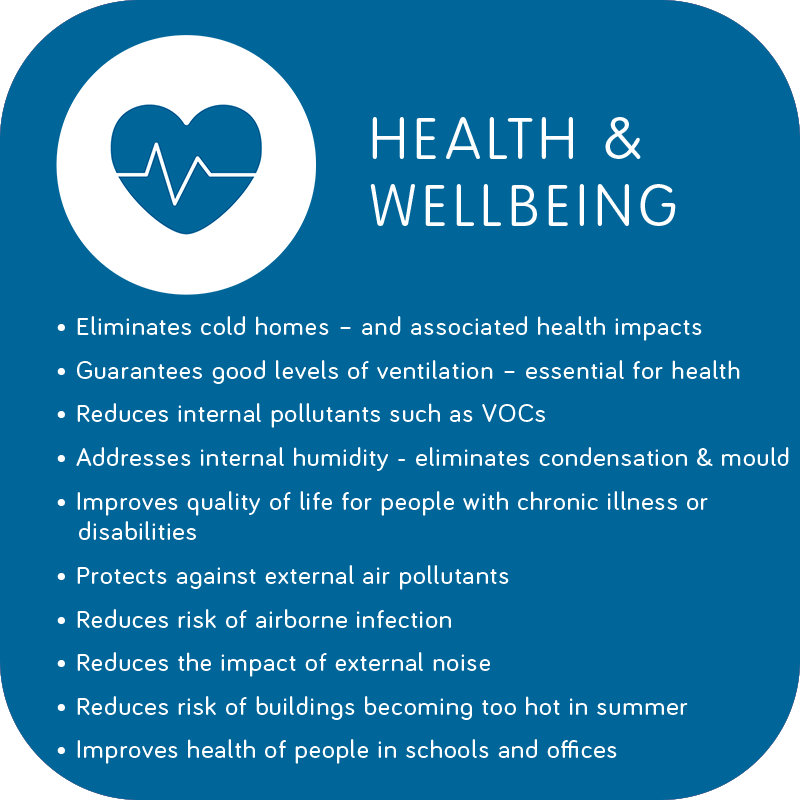
Image source: Passivhaus Trust
Financial benefits
While the upfront investment for a Passive House is higher than a standard home, they are likely to result in long-term savings. Research conducted on a 90m2 home revealed that a Passive House achieved a remarkable 30% reduction in energy bills compared to a standard home. Additionally, due to their high-quality, robust design, Passive House homes require fewer repairs and replacements over the long term, resulting in significant potential savings throughout their lifetime. And, encouragingly, their studies also indicate a downward trend in the initial costs of Passive House homes, further increasing their financial viability. If you plan to sell your home in future, Passive House certification is also likely to add value to the property. To learn more about these findings, read our blog here.
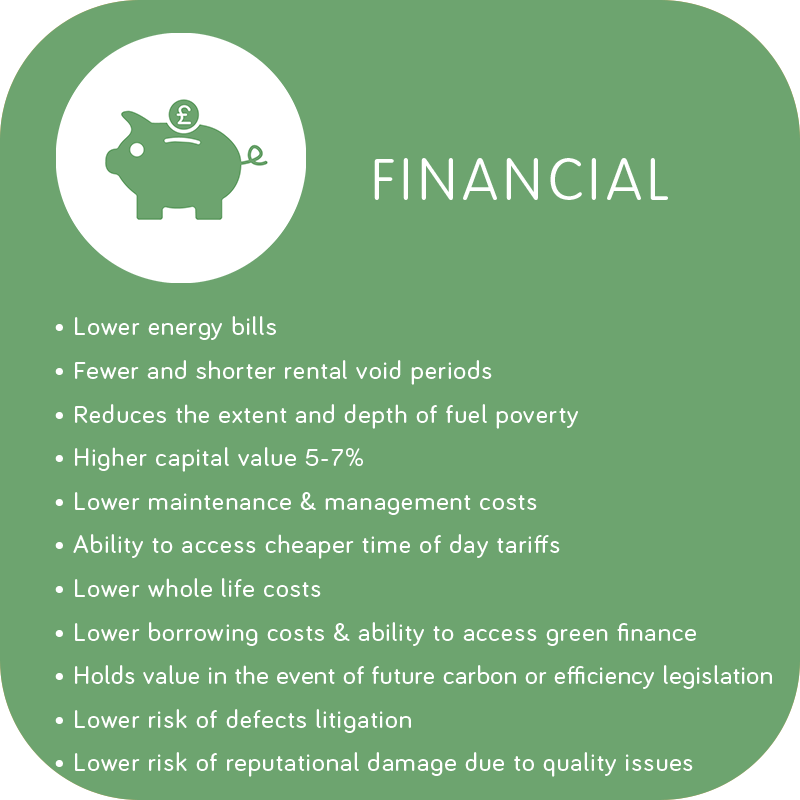
Image source: Passivhaus Trust
To ensure the full benefits of Passive House homes are experienced, strict criteria must be met to obtain certification. However, even if a home falls short of Passive House standards, implementing as many of their criteria as possible is still likely to yield considerable benefits. The results found by the Passivhaus Trust are specific to the UK, but they can still be used to see how they might be beneficial in other countries, including Australia. By embracing these principles, homeowners can contribute towards mitigating the climate crisis and enjoy the health benefits and cost savings associated with Passivhaus principles. Take a look at the Passivhaus Trust’s full report here.
To learn how Leanhaus can help you build Passive House inspired or certified homes, check out our process.